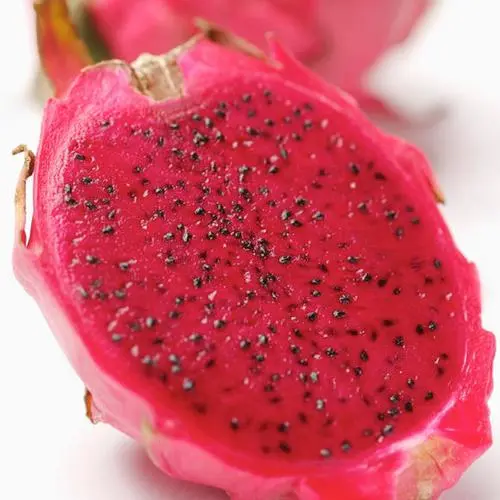
In today's society, with abundant materials, people are not only satisfied with common things. People are pursuing a healthier and nutritious diet. Dragon fruit with rich nutritional value not only satisfies people's taste buds, but also brings more healthy experience to everyone.
Dragon fruit is a tropical fruit originating in tropical Central America. In China, it is mainly produced in Hainan Province, Guangdong and Guangxi and other places.
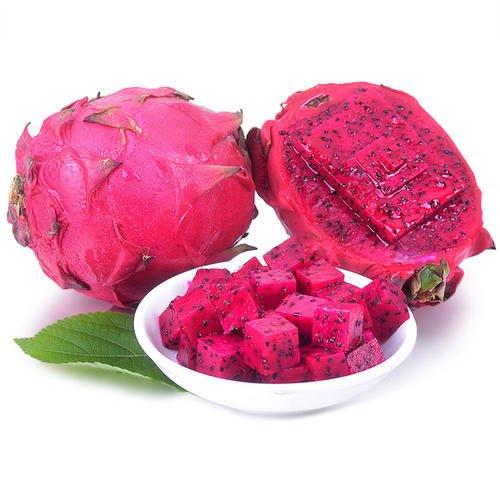
1. According to nutritionist statistics, every 100 grams of dragon fruit pulp contains 83.75 grams of water, 0.34 grams of ash, 0.17 grams of crude fat, 0.62 grams of crude protein, 1.21 grams of crude fiber, 13.91 grams of carbohydrates, and 59.65 kcal of calories. 1.62 grams of dietary fiber, 5.22 grams of vitamin C, 2.83 grams of fructose, 7.83 grams of glucose, 6.3-8.8 mg of calcium, 30.2-36.1 mg of phosphorus, 0.55-0.65 mg of iron and a large amount of anthocyanins (the most abundant varieties of red-fleshed fruits), Water-soluble dietary protein, plant albumin, etc. Dragon fruit is sweet and flat in nature, and its main nutrients include protein, dietary fiber, vitamins B2, B3, C, iron, phosphorus, magnesium, potassium, etc. The peak production period is from June to November. It is grown all over Taiwan, and the main production areas are distributed In Hsinchu, Yunlin, Chiayi and other places.
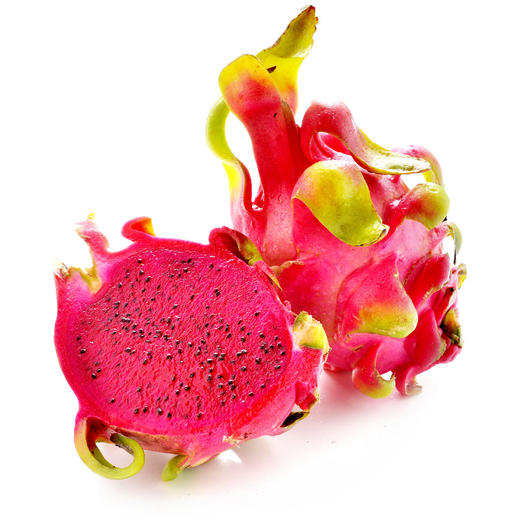
2. In addition to being rich in albumin, dragon fruit also has a more special ingredient-anthocyanin. Anthocyanins are found in grape skins, red beets and other fruits and vegetables, but dragon fruit has the highest anthocyanin content, especially in red-fleshed fruits. It has antioxidant, anti-free radical, and anti-aging effects. It can also improve the prevention of brain cell degeneration and inhibit the occurrence of dementia. At the same time, dragon fruit also contains vitamin C that whitens skin and rich water-soluble dietary fiber that has the effect of losing weight, lowering blood sugar and moisturizing the intestines, and preventing colorectal cancer.
3. Anthocyanins are also present in the peel of dragon fruit, so when we eat dragon fruit, try not to discard the inner pink peel. Because anthocyanins are sensitive to temperature, it should be eaten raw. You can scrape it off with a knife and eat it raw, or cut it into thin strips and eat it as juice.
4. Dragon fruit is rich in plant-based albumin, which is rare in general fruits and vegetables. This active albumin will automatically combine with heavy metal ions in the human body and be excreted from the body through the excretion system, thus playing a detoxifying role.