Jan.2024 28
Fruit nutritional value
Details
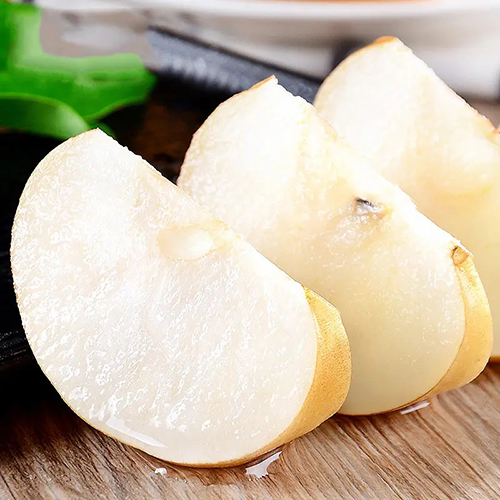
1.red dragon fruitIt is rich in nutrients, has unique functions, and has excellent effects on human health. It contains plant-based albumin and anthocyanins that are rare in general plants, rich in vitamins and water-soluble dietary fiber. Albumin is a viscous, colloidal substance that has a detoxifying effect on heavy metal poisoning.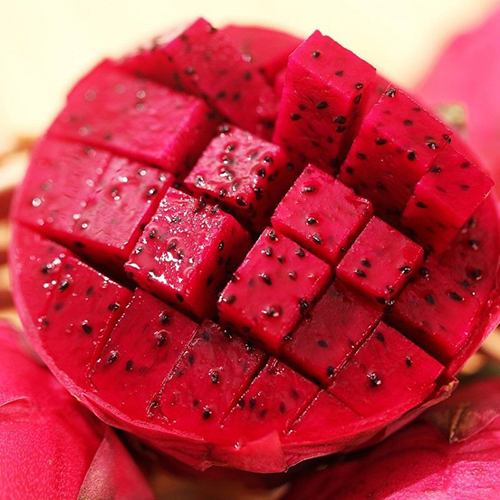 2.pearPears are rich in vitamins and water. However, if it is cold in nature, eating too much will damage Yang Qi. People with Yang deficiency, fear of cold and cold limbs, weak abdomen and stomach, and pregnant women should not eat more or it is best not to eat at all.
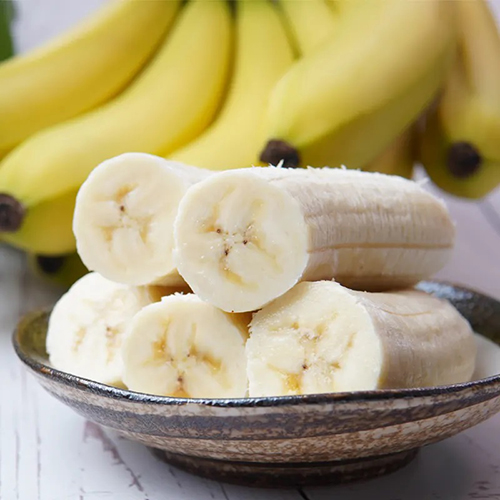
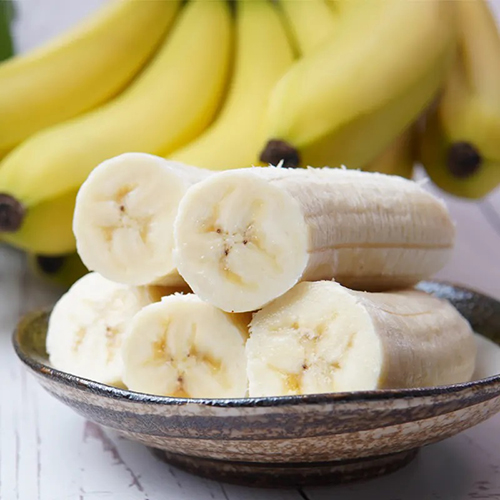
 3.bananaPears are a vibrant and energetic fruit (fruit food). It is rich in water, vitamins a, b, c, d, e and trace element (trace element food) iodine, which can maintain the health of cell tissues, help detoxify and purify organs, soften blood vessels, and promote blood to move more Calcium (calcium food) is transported to the bones. But when eating pears, you must chew them slowly for better absorption. Eating bananas can help people who are weak and sentimental to dispel pessimism and irritability and maintain a peaceful and happy mood. This is mainly because it increases levels of the feel-good substance serotonin in the brain. The content of 5-hydroxytryptamine in the brains of patients with depression is lower than that of ordinary people. Banana is cool in nature and can lower blood pressure and remove dryness. People who are afraid of colds, weak and have a weak stomach are not suitable to eat bananas. Because bananas are digested very slowly in the gastrointestinal tract, they are not good for the gallbladder.
 4.PeachIt is warm in nature and sweet in taste. It can relieve summer heat and quench thirst, clear away heat and moisturize the lungs. It is known as the "fruit of the lungs" and is suitable for patients with lung diseases. Peach fruit is rich in nutrients, especially rich in iron. It is an ideal dietary fruit for patients with iron deficiency anemia. In addition, peaches contain more potassium and less sodium, so they are suitable for patients with edema. Eating peaches in hot summer can nourish yin, promote fluid production, and moisturize dry intestines.
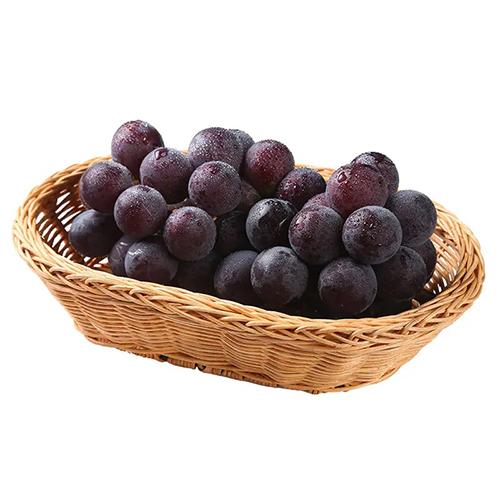
 5.GrapeGrapes are especially suitable for lazy people, because the healthiest way to eat them (healthy food) is without peeling them or spitting out the seeds. Grape skins and seeds are more nutritious than grape flesh. The reason why red wine has better health care (health food) effects than white wine is because it is brewed with the skin. Researchers from the University of Bordeaux in France also discovered that 85% of the immune-enhancing and aging-delaying substance OPC contained in grape seeds (grape seed food) is absorbed and utilized after entering the human body. The inner membrane of the grape skin is rich in nutrients, but it is better not to eat the skin and core. They are difficult to digest and prone to flatulence.
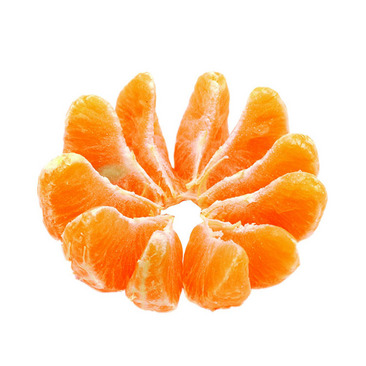
 6.tangerineIt tastes sweet and sour, and is cool in nature. It has the effect of regulating qi, moistening the lungs, sobering up and stopping dysentery. Oranges can remove dampness and phlegm, detoxify and relieve cough, and treat low back pain and mastitis. However, people who are "often deficient in yin and often in excess of yang" should eat less to avoid "excessive burns".
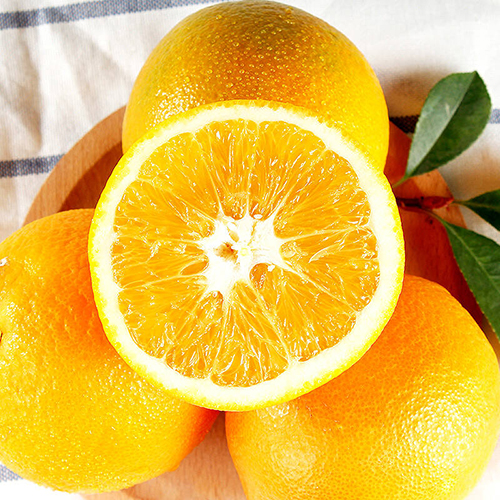
 7.orangeOranges are rich in vitamin C and P, which can increase the body's resistance, increase the elasticity of capillaries, and reduce blood cholesterol. The cellulose and pectin substances contained in oranges can promote intestinal peristalsis, help clear the intestines, and eliminate harmful substances from the body. Orange peel has a sweet, bitter and warm taste, and its efficacy in relieving coughs and reducing phlegm is better than that of tangerine peel. It is a good medicine for treating colds and coughs, loss of appetite, and chest and abdominal distension and pain.